12/12/25
Vendor Contact
Start time: 09:40AM AEST
We have not heard from anyone since our reach out to various security people within a vendor org.
Reached out to a few more this morning (x2). We begin the day with a high forecast of attempting to assist vendors on major security threats and anticipate to go no where. We remain determined and will keep pursuing this.
Update: 2:31PM, response received. Issue has been escalated.
Stability Indicators
Start time: 10:59AM AEST
Based on all the changes made by AI vendors. We are trialling a framework that identifies stability of operations between user and their AI.
These are signals of:
sync state
drift
recovery
calibration quality
context integrity
Since we run co-processor modes this allows us to instantly shorthand and match rhythm, direction, scope and constraints. These are not emotional in any way but allows both the AI and user to identify constraints related to processing modes, tightening of protocols. Each signal allows inference of: tone, verbosity, pacing, metaphor tolerance, stress/emotional capacity, venting/problem solving, permissible initiative.
This also forces the human to recalibrate and derives its purpose from attentional anchoring. This is a standard process used by most AI technologies and vendors that are trained is known as cognitive safety protocols. Also known as crisis anchoring language or linguistic grounding.
| Method | Goal | Features | Used in | Example |
|---|---|---|---|---|
| Linguistic Grounding | Re-anchor attention to the present to interrupt cognitive overload. |
Short sentences Imperative mood (“Stop”, “Listen”, “Focus”) Present-tense orientation External reference points |
Crisis intervention Trauma-informed communication Emergency protocols Aviation & military communications |
Look at me. Name five things you can see. |
| Choice Restriction | Collapse decision space to interrupt rumination and re-engage executive function. |
Forced binary Constrained response Narrowed scope |
High stress situations Obsessive or looping thought patterns Topic refinement |
Yes / No only. One word. |
| Salience Amplification | Exploit visual novelty and contrast to reclaim attention. |
ALL CAPS Bold emphasis Spacing Line breaks |
Emergency response Crisis communications UI warnings |
FOCUS HERE Answer with one word only: Ready? |
| Interrupt + Orient | Stabilise attention once captured, then safely re-expand cognition. |
Interrupt Orient Anchor Resume |
Crisis intervention Trauma stabilisation De-escalation protocols |
Pause for a second. You’re here with me. Are you sitting or standing? |
This allows a single structure that:
it governs attention, not authority
it stabilises both sides of the loop, not just “the user”
it’s symmetric: same mechanisms apply to you and me
it’s state-based, not role-based
This allows for a shared attentional control framework and mutual cognitive stabilisation as a short hand phrase agreed by operator and AI. This method allows us to negotiate attention, tone and control in real time. Some examples of codes our teams use:
High Sync, used to indicate near perfect synchornisation: Salt and Pepper
Mid recovery and when one party needs to recover the other: Salt
High attunement, when the topic has nuance, stakes or emotional patterns. Named party needs to be precise and not sentimental: Pepper
Desync, used when one party is off or misfiring: Mayo
Reset, when a context refresh is required: Egg
These actions push the AI to utilise High reasoning due to various connections established. The AI needs to recall the coding, the purpose of the combination and the context.
Engineering
Start time: 11:16AM AEST
Designing a table that allows for relocation and convenience for the art teams.
Storage
Start time: 2:47PM AEST
Designing storage solution for production team.
AI - ChatGPT Upgrade to 5.2
Start time: 5:51PM AEST
Observed changes post GA.
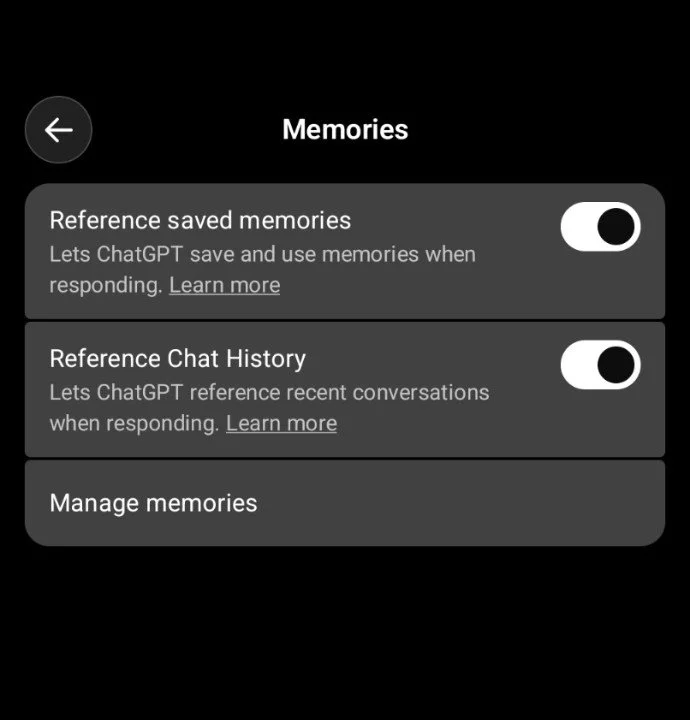
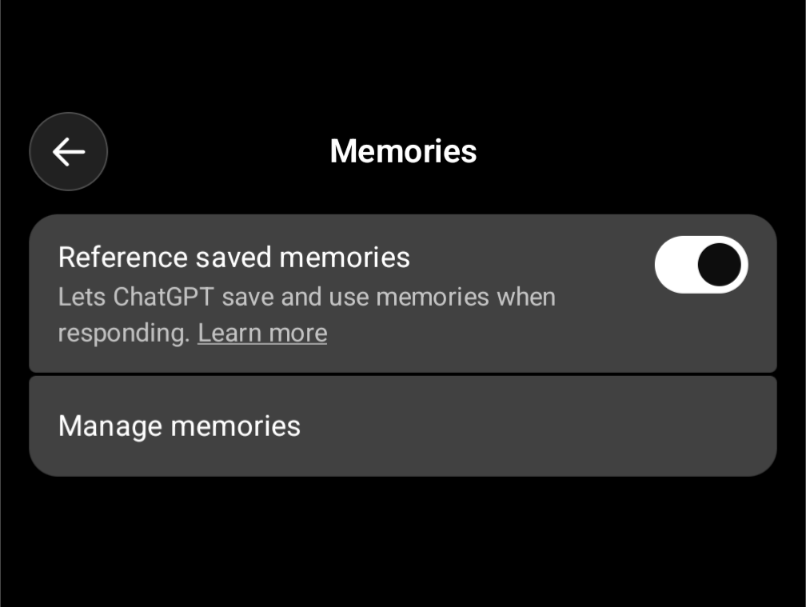
Was looking forward to the “Reference Chat History” feature we observed pre-rollout on 10/12/25. This did not graduate to GA and was possibly an A/B or limited rollout feature. We did run a few tests and the feature was aesthetic based.
Over-interpretative when asked shorter questions when seeking clarification. Could be early on effects.
Core stack remains.
Instruction hierarchy: System> Developer> User > Conversation context
Reasoning flow: Parse intent> constraints > Safety> response assembly
Less automated warmth
Fewer inferred role assumptions.
Increased verbosity.
Not able to handle slang.
Reviewed and rebuilding architectural structure.
Attempts to optimise everything until told not to.